
But now
'This Protector' - The White Stripes (White Blood Cells - 2001)

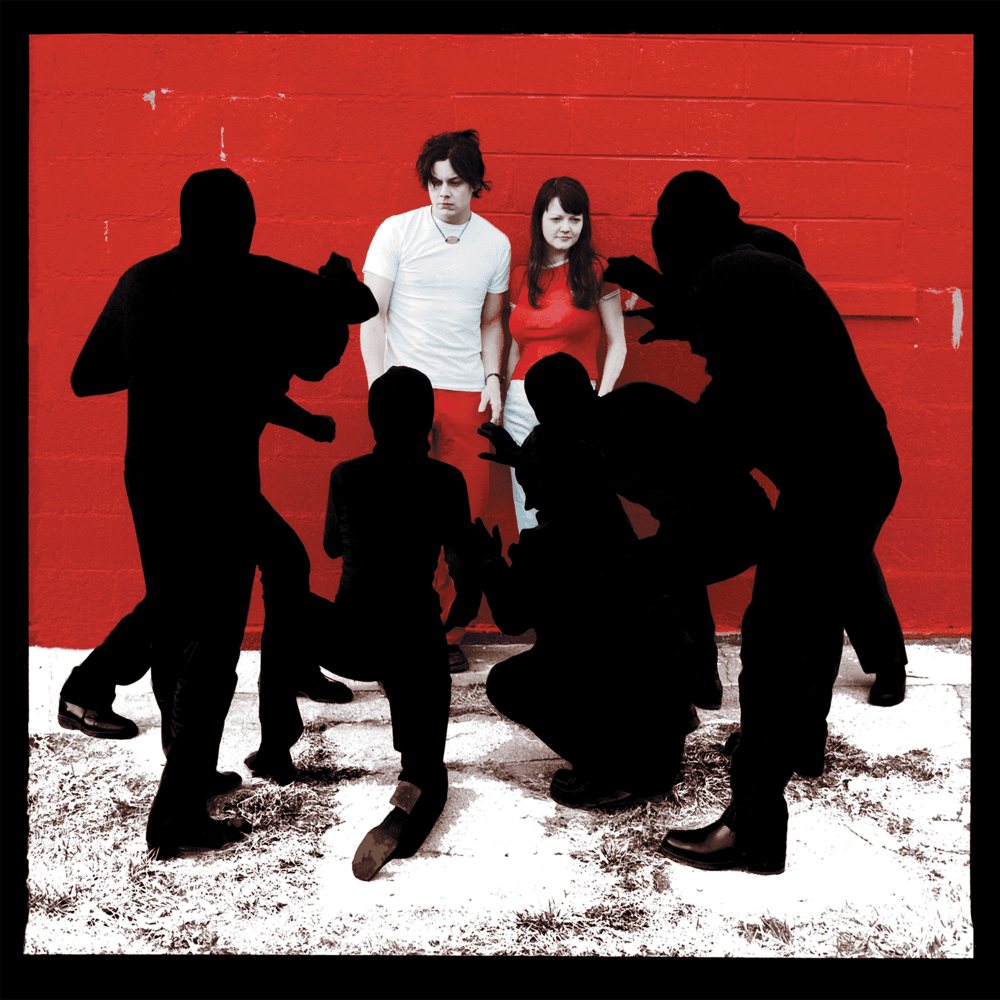
If you don’t remember the summer of 2001, you might be surprised that, for all the coverage of The Strokes and their debut record, Is This It, it was actually two people, not in skinny jeans but plain white and red t-shirts and trousers, who were actually responsible for the biggest hype train of the year. Despite already being two albums into their career at that point, The White Stripes were playing their first shows in the UK twenty-five years ago, and for a brief period, everyone was out of their tiny minds over it. The NME had them on the cover, DETROIT ROCKS! – The Sound Of Now!

The second of their three1 pushes of US exports, they got behind that year. That’s pretty standard, as was someone like Jarvis Cocker coming to see an early August gig at The Boston Arms in Tufnell Park and John Peel having them in for a couple of sessions while they were searching for a UK record deal. What was more surprising was their third record charting via import, Kate Moss attending the gig and attracting commentary from The Sun (The paparazzi spending more time photographing Moss than the band) and more bizarrely, The Daily Mirror declaring that the band were the best thing since the Sex Pistols or even Hendrix and offering a phone number for you to call so you can hear the so called ‘Blunk’ music (Blues plus Punk) for yourself – this was too early for normies to be on LimeWire.
Jack and Meg White were presented at the time as brother and sister, except the records suggested they had been married and divorced; the band declined to clear it up, which only fuelled the whispers about who they really were. That mystery, the red-and-white uniform and imagery, the deliberate primitivism, the refusal to have a bass player – it all felt a lot more interesting and rock n roll than Papa Roach, Limp Bizkit, or Creed could offer.
White Blood Cells, the record at the centre of this storm, is an album about being besieged. Named after the things in your body that swarm to fight off whatever shouldn’t be there. The cover has the two band members in the middle, red on white, with shadowy black-clad figures advancing at them. The press, the fame, the attention – it is all bearing down on them. The record sounds like a body bracing for impact: it is fast, sharp, over fifteen tracks that stick to that template of running hot and keeping the world at arm’s length.
They close with something not cut from that pattern. ‘This Protector’ is the quietest, most acoustic, lowest-energy thing on the album by a distance. After all that guitar, the closer is piano and voice and almost nothing else. It isn’t directly a title track, but we know that those little leukocytes are our protectors. Looking at the numbers, it fits our Withdrawal ending - it runs short against the rest of the album, it tracks what we expect on every other measure, energy, loudness and valence all falling, acousticness climbing. In that sense, the only other track that the band placed last on a record that better fits our framework is ‘I’m Lonely (But I Ain’t That Lonely Yet)’ on Get Behind Me Satan.
By November 2001, even before ‘Fell in Love with a Girl’ was out as a single and Michel Gondry was arranging Lego for the video, they were already at Maida Vale, looking to capitalise on the momentum of the year. They cut tracks that would land on Elephant, their colossal pachyderm of a follow-up that gave the world ‘Seven Nation Army’. Perhaps they realised they could not hold back the tide, so they rode the wave instead. That fame they were bracing against arrived anyway, and much faster than anyone expected.
On the other side of the record cover, mounted like a frame of Kodak film, sprocket holes and all, the band are not just photographed but developed, fixed and displayed. The shadowy figures are unmasked, holding an array of cameras as old as the analogue gear the band would take to Toe Rag to capture their fourth record, and the two “siblings” are smiling, thumbs up to their would-be antagonists.
The third being Andrew WK.